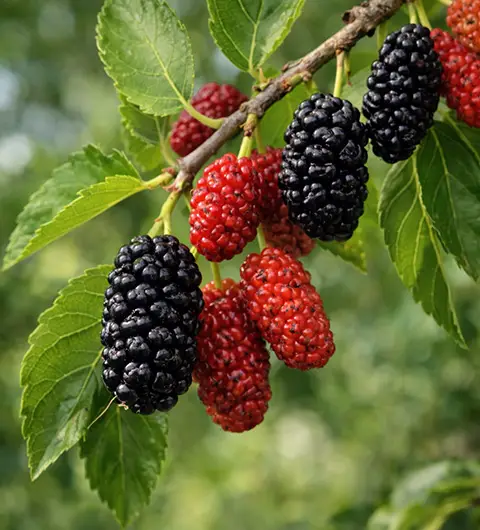
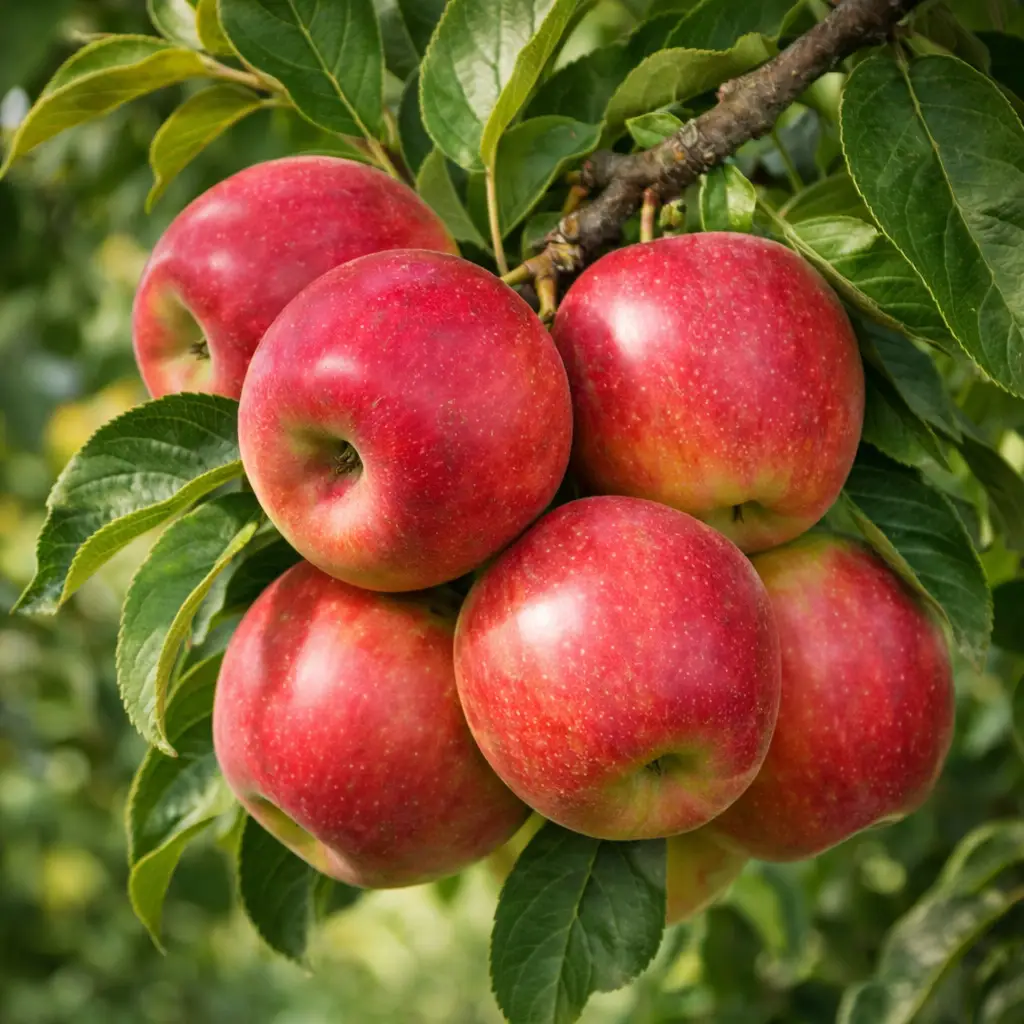
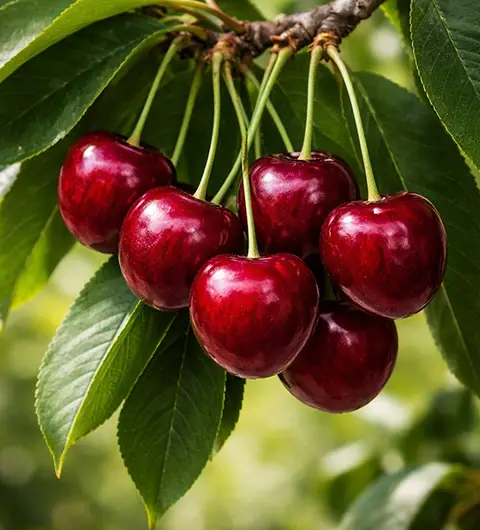
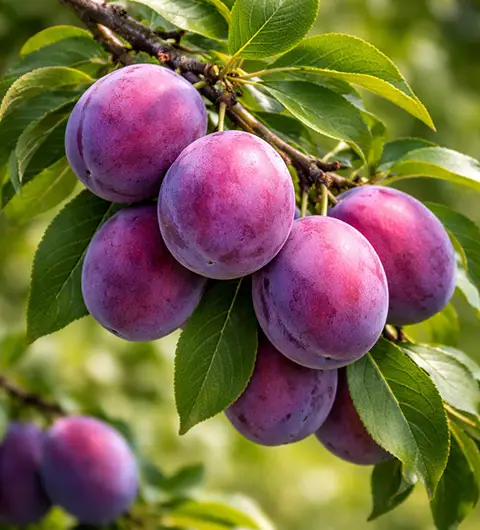
Milone Nurseries produces certified fruit plants, carefully selected to meet the needs of nurserymen, businesses and professional farmers.

Certified plants and
traceable
Selected varieties suitable for the Mediterranean
An experienced nursery
decades
Customer service and
dedicated assistance
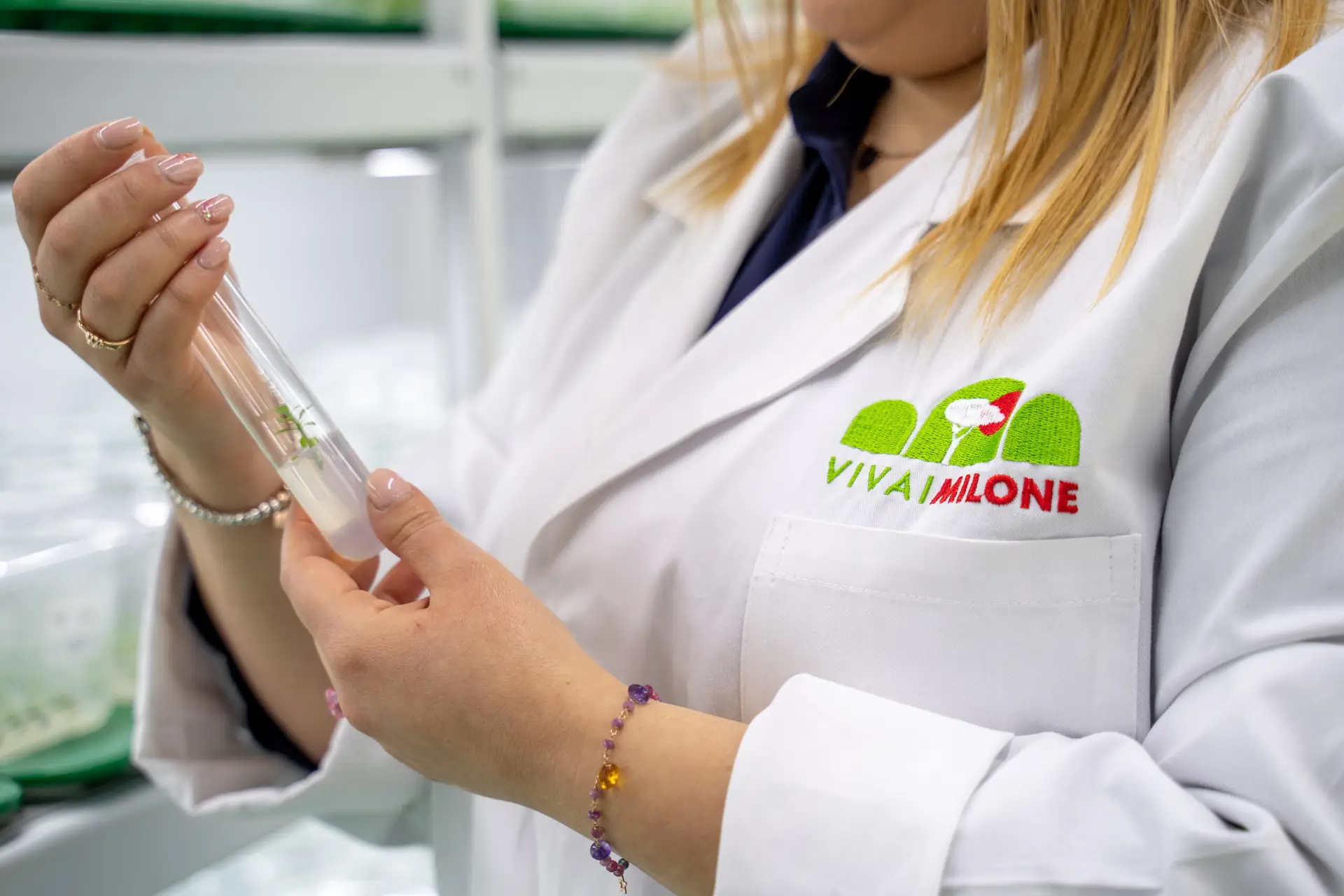
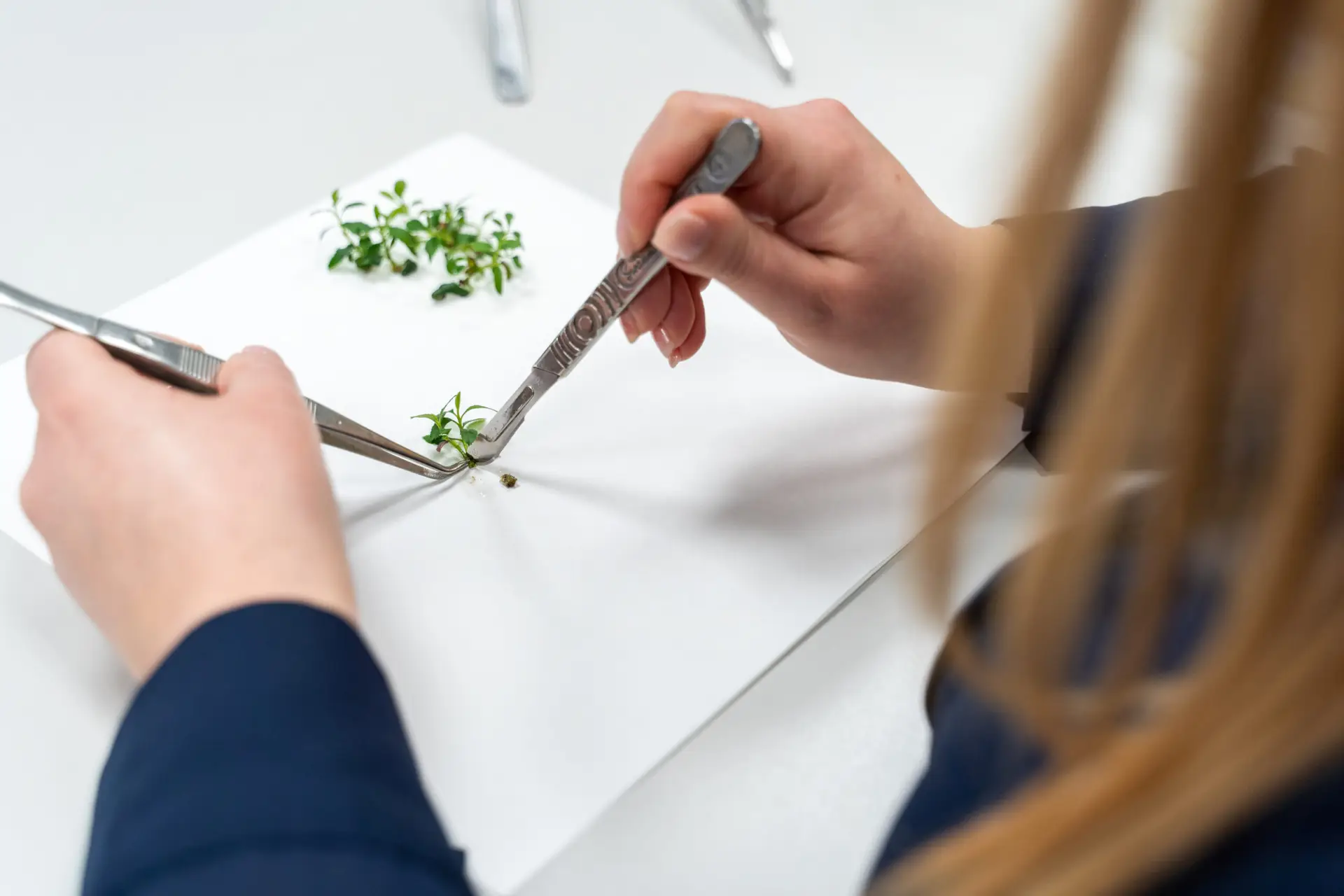
All our fruit plants are the result of controlled and certified processes to ensure health, varietal identity and uniformity in production. Thanks to our years of experience and micropropagation laboratory, we offer plants that combine genetic quality and adaptability.


Below are the micropropagated rootstocks for certified fruit plants available from Milone Nurseries in Lamezia Terme:
Obtained from Hatton a t East Malling (GB). After rehabilitation with thermotherapy it became a popular rootstock with various na, e.g. Poor suckering attitude, prefers fertile. Irrigated soils. Interesting for high-density systems.
It originates from the cross of Garfi x Nemared (Prunus amygdalus x Prunus persica), established in Spain at S.I.A. DGA in Zaragoza. It is a red-leaf rootstock that gives the plant similar or higher vigor than GF677. It confers resistance to gall nematodes and ferric chlorosis.
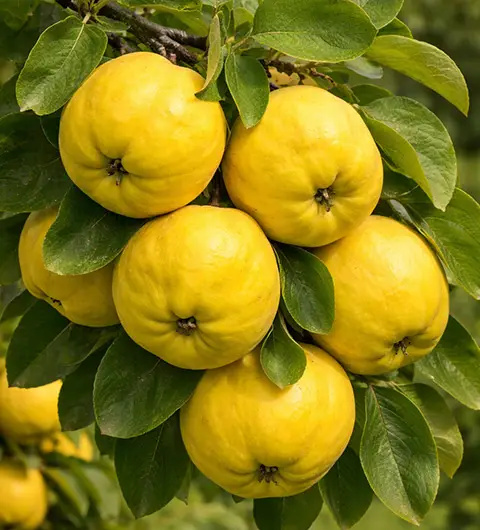
Provence quince selection licensed by Inra in Angers. It has a strong, branched root system that provides good anchorage. It prefers fertile and cool soils, tolerating drought and lime soils. It is rather vigorous, entering production slowly, but ensures good and constant production. It induces good fruit size and improves fruit characteristics.
Selection of Prunus domestica from the Experimental Institute for Fruit Growing in Rome. Multipurpose rustic rootstock - apricot, peach and plum, adapts very well in clayey, heavy and asphyctic soils, resistant to Phytophtora cinammoni and gall nematodes (Meloidogyne sp.), is characterized by excellent anchorage and absence of suckers. It improves fruit characteristics--size and color--as well as imparts early ripening.
Selection of Prunus domestica from the Experimental Institute for Fruit Growing in Rome. Multi-purpose rustic rootstock-apricot, almond, peach and plum, adapts very well in clay, heavy and asphyctic soils, resistant to Phytophtora cinammoni, is characterized by excellent anchorage and absence of suckers.
Clonal selection of Prunus cerasifera from the University of Pisa. Compared to the franc, it reduces plant size, giving high and constant productivity, early ripening and good fruit coloration and size. Suitable for various soil types, including those with waterlogging.
Clonal selection of Prunus cerasifera of American origin. It is the most widely used rootstock for plum cultivation. It adapts well to various soil types, droughty and even calcareous. Good productivity and production quality.
A hybrid of Prunus persica x Prunus amygdalus obtained from INRA (France); represents the classic standard for the most difficult soils, from calcareous to arid, not disdaining clay or compact soils, as long as they are not asphyctic. High vigor, particularly suitable for replanting.
Below are the seed rootstocks for certified fruit plants available from Milone Nurseries in Lamezia Terme:
Widely used despite various drawbacks due to typical heterogeneity, which compares: dissimilar plantings, disaffinity phenomena with swelling at the graft point, disconnection between bionts, development of root suckers. It adapts, however, to almost all soil types, including clay soils, and resists drought and lime well.
Rootstock characterized by a branched root system. It is highly developed in breadth and depth. It does not produce suckers. Suitable for fresh and deep soils, it imparts high vigor with good quality fruit even if it delays entry into production. Suitable for hilly and mountainous growing environments.
The most important rootstock for southern cerasiculture, which adapts well to various types of soils, droughty, calcareous, and rich in skeleton, provided they are not asphyxiated and have waterlogging; it has good resistance to cold. The selections used are characterized by high rusticity and homogeneity of nursery seedlings. Excellent for production efficiency and affinity to all cherry varieties.
Hybrid obtained from INRA (France). By crossing St. Julien d'Orleans x Brompton varieties, it gives greater uniformity than mirabolan franc, improves vigor and fruit coloration. Especially suitable for plum and peach trees in heavy soils.
A hybrid of Prunus persica x Prunus davidiana selected by the USDA (United States), vigorous, particularly suitable for soils infested with gall nematodes of the genus Meloidogyne (M. arenaria, M. incognita and M. javanica).
Peach Franco from Morocco is distinguished by high homogeneity and good vigor. It is akin with all varieties of apricot, peach and plum trees, to which it gives good productivity. Suitable for fertile, noncalcareous soils without waterlogging.
Prunus persica seedling selected by INRA (France). Induces plants high vigor, early entry into production, high and constant productivity, with increased fruit size and coloration; particularly suitable for calcareous soils, even with iron and magnesium deficiencies.
Clonal selection of Prunus armeniaca from INRA (France). Compared with the common franc, it confers greater uniformity of plant development, earlier entry into production, greater vigor even in drought and lime soils, as well as better fruit coloration.
To provide the best experiences, we use technologies such as cookies to store and/or access device information. By consenting to these technologies, we may process data such as browsing behavior or unique IDs on this site. Failure to consent or withdrawal of consent may adversely affect some features.